
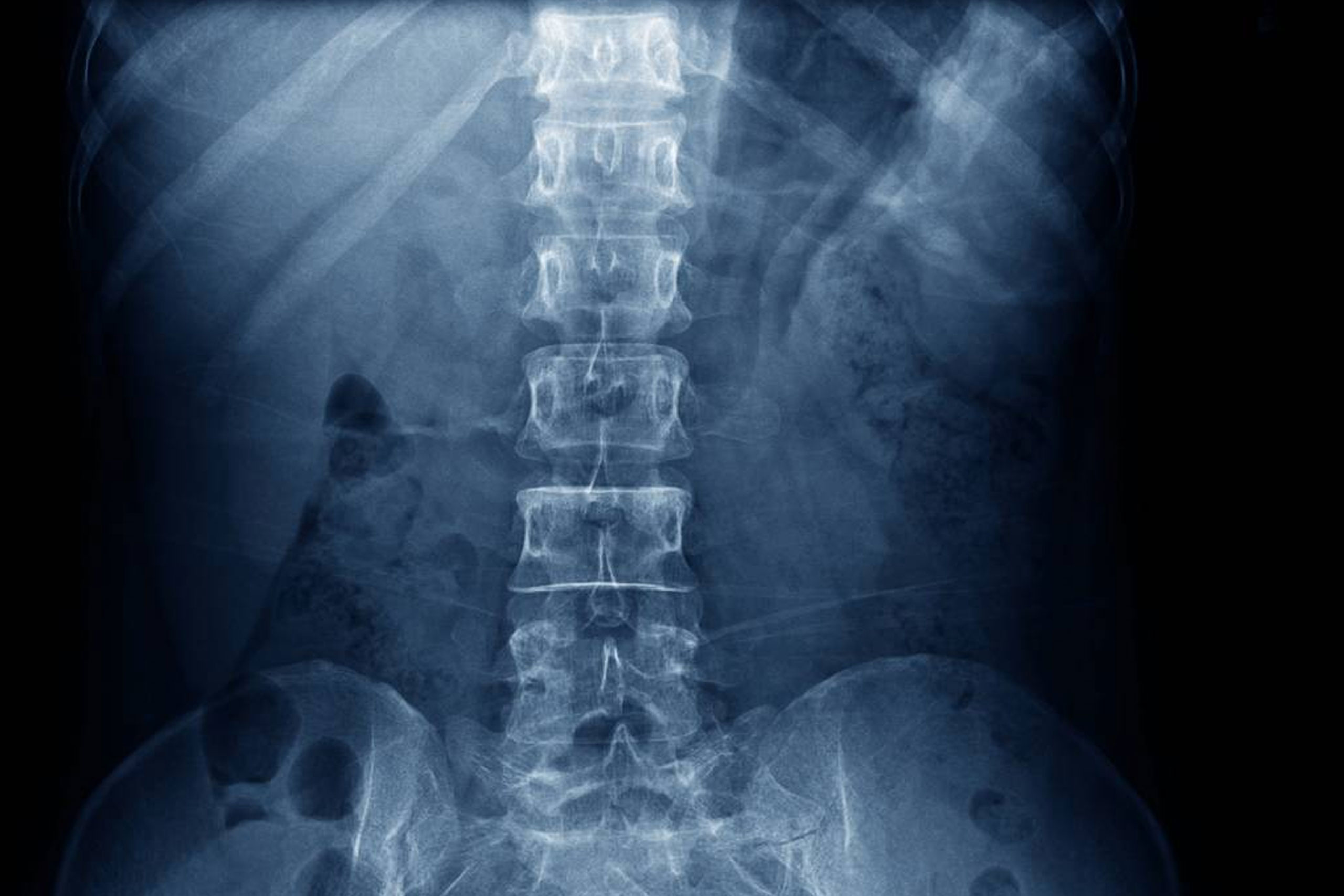
About Spinal Epidurals
A transforaminal epidural injection is a specific type of epidural injection aimed at delivering medication directly into the epidural space near a spinal nerve root. This procedure is often used to relieve pain caused by conditions such as herniated discs, spinal stenosis, or radiculopathy. Because this injection needs imaging guidance for precise delivery of the medication, this procedure has to be done at a local surgery center. This injection can be an effective option for patients looking to manage pain without surgery. It’s important to discuss the procedure, benefits, and risks with a healthcare provider to determine if it’s the right choice for your situation.
Procedure Overview:
1. Preparation: The patient is positioned comfortably, usually lying on their stomach or side. The injection site is cleaned and numbed with anesthetic medication.
2. Fluoroscopy Guidance: Real-time imaging (fluoroscopy) is often used to precisely locate the target area where the nerve root exits the spine.
3. Injection: A needle is carefully inserted into the transforaminal space (the area where the nerve exits the spinal column). Once the needle is in place, a small amount of contrast dye may be injected to confirm proper placement.
4. Medication Administration: After confirming correct positioning, a corticosteroid or anesthetic is injected to reduce inflammation and relieve pain.
Benefits:
– Targeted relief for specific nerve pain.
– Can reduce inflammation and improve mobility.
Risks:
-While generally safe, potential risks include infection, bleeding, nerve damage, headaches, and other risks.